Blog
How to Design Scalable Angular Applications
Enterprise Angular architecture best practices for scalable, maintainable, and high-performance applications.
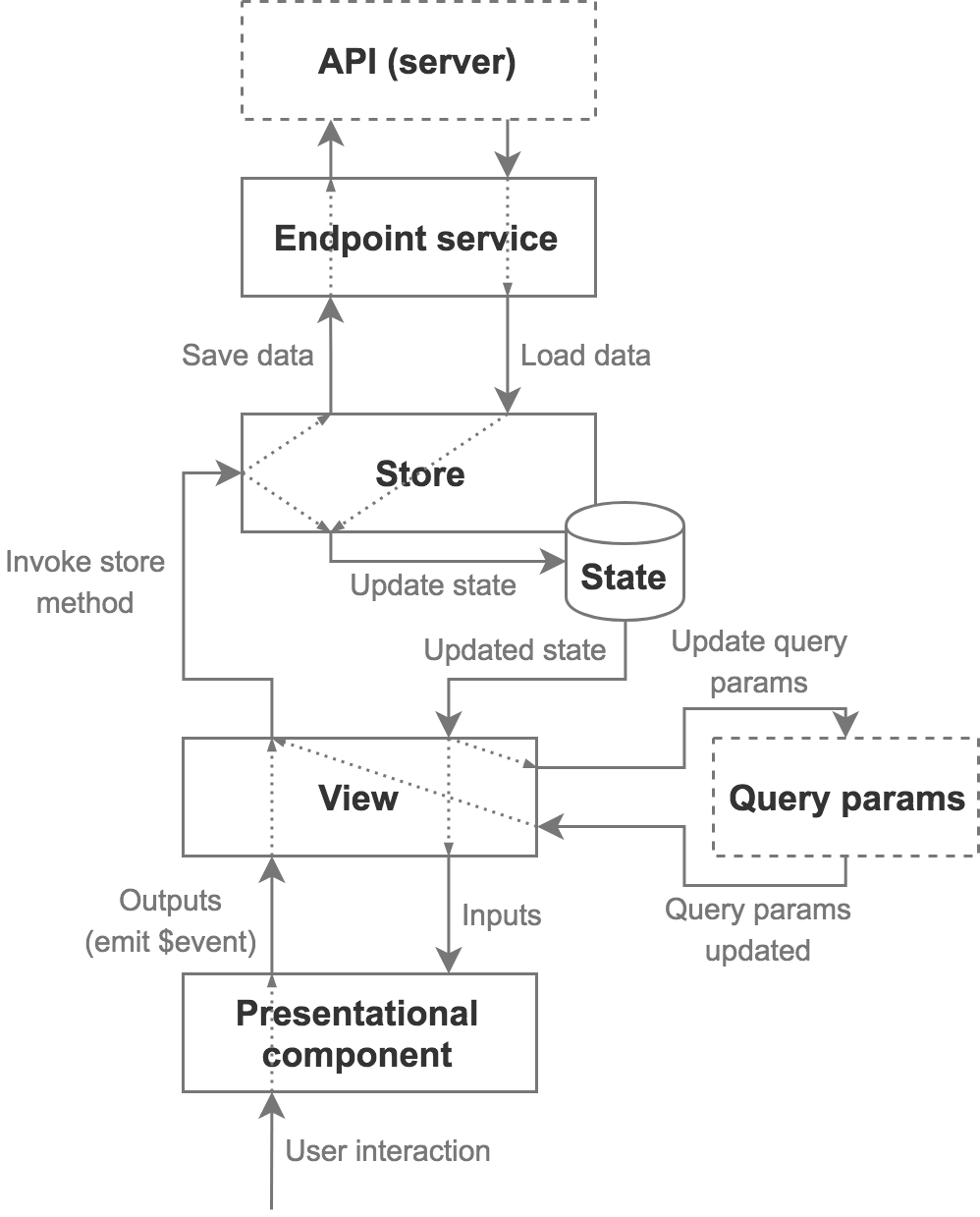
🚀 How to Design Scalable Angular Applications
Building Angular apps is easy. Scaling them in enterprise environments is where architecture matters.
Here are key principles I’ve learned from real-world projects:
✅ Feature-Based Architecture
Organize by business domains, not by components/services/models.
Example: auth/ orders/ payments/ dashboard/
✅ Lazy Loading
Load features only when needed for faster startup and better performance.
Example:
path: 'orders', loadChildren: () => import('./orders/orders.module') .then(m => m.OrdersModule)
✅ State Management Strategy
Small apps → Signals / RxJS Medium apps → Component Store Large apps → NgRx / Signal Store
Choose based on complexity, not trends.
✅ Facade Pattern + API Abstraction
Keep components clean:
Component → Facade → Service → API
Example:
this.orderFacade.loadOrders();
Avoid HTTP calls directly inside components.
✅ Performance by Design
Use:
OnPush Change Detection trackBy Virtual Scrolling Memoized selectors Angular Signals Deferrable Views
✅ Shared Design System
Reusable buttons, dialogs, tables, form controls improve consistency and scalability.
✅ Centralized Security & Error Handling
Use interceptors for:
Authentication Token refresh Logging Retries Global error handling
✅ Testing Strategy
Scalable apps need scalable testing:
Unit Testing Integration Testing End-to-End Testing
Strong architecture today prevents technical debt tomorrow.